HOUSTON BASED SPECIALIST
Love Addiction & Love Avoidance Therapy in Houston
Whether you cling too tightly or pull away too fast,
these patterns can be understood and changed.
Recognizing Love Addiction Patterns
Working with a love addiction therapist in Houston often starts with naming a pattern that can feel confusing from the inside: relationships that consume your thoughts, your sense of self, and your emotional stability, even when they’re causing you pain.
Love addiction isn’t about loving too much. It’s a dependency pattern where relationships become the primary source of safety, validation, or identity. For individuals in Houston and nearby areas like Katy or The Heights, this often shows up in a few recognizable ways:
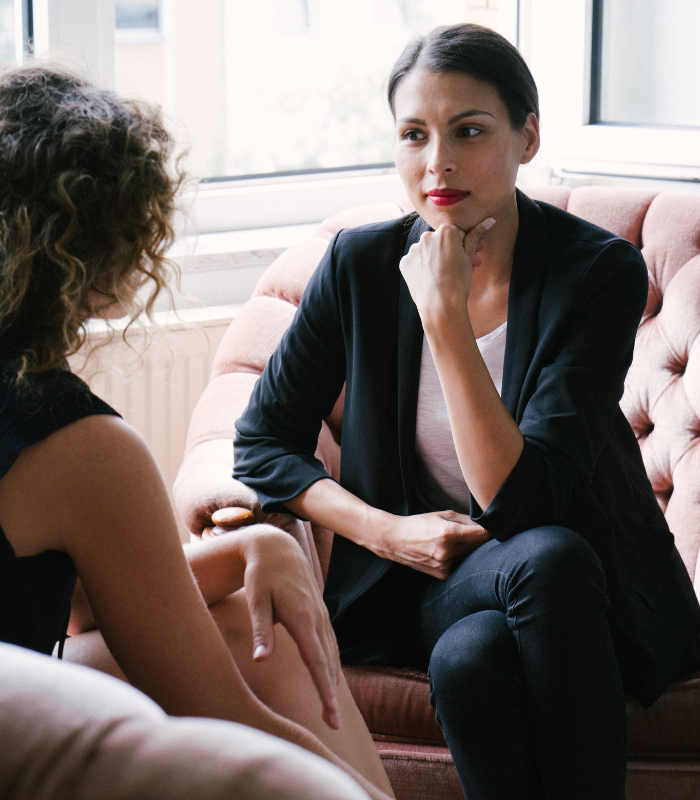
Fear of Abandonment
A persistent, intense fear of being left drives decisions in the relationship, sometimes leading to behaviors aimed at preventing a partner from leaving, even at your own expense.
Staying in Painful Relationships
Recognizing that a relationship is unhealthy doesn’t make it easier to leave. The fear of being alone often outweighs the pain of staying.
Losing Your Identity in a Partner
Your own interests, opinions, and sense of self can become secondary to the relationship, or absorbed into it entirely.
The Anxiety-Relief Cycle
Distance or uncertainty triggers intense anxiety, and reconnecting with the partner brings temporary relief, reinforcing the pattern rather than resolving it.
These patterns often feel like love, but they’re actually rooted in fear. Book your session today to talk through what these patterns look like in your own relationships.
What Love Avoidance Looks Like
Where love addiction clings to closeness, love avoidance does the opposite. It’s a pattern rooted in fear of intimacy, where genuine closeness starts to feel threatening rather than comforting, even in relationships you actually want.
This often looks like:
Pulling Away When Things Get Close
Just as a relationship starts to deepen, the instinct is to create distance, whether emotionally, physically, or both.
Discomfort with Vulnerability
Sharing real feelings or needs feels exposing, so walls go up before anyone can get too close.
Sabotaging Good Relationships
Even healthy, stable relationships can trigger avoidance, sometimes leading to behaviors that create conflict or distance without a clear reason why.
Relying on Distraction
Work, hobbies, or busyness can become ways to avoid emotional closeness rather than genuine interests.

Love avoidance isn’t the absence of wanting connection. What it is is the fear getting in the way of it.
Recognizing yourself in these patterns can be uncomfortable, but it’s often the first real step toward change. Book your session with Renee to talk through what this looks like for you.
What Is Love Addiction?
- Do you feel like your sense of self depends on being in a relationship? Love addiction can make being alone feel unbearable, leading to a constant search for connection, even when it isn’t healthy.
- Do you find yourself pulling away just as a relationship starts to feel close? Love avoidance often shows up as discomfort with real intimacy, triggering distance right when connection deepens.
- Have you stayed in a relationship you knew wasn’t right for you, out of fear of being alone? This fear often outweighs the pain of an unhealthy relationship, keeping people stuck in patterns that don’t serve them.
- Do you notice a cycle of intense connection followed by withdrawal, in yourself or a partner? This push-pull dynamic is common when love addiction and love avoidance patterns interact, whether in the same relationship or across different ones.
What “Codependency” Really Means
Codependency is often confused with love addiction, and while the two frequently overlap, they aren’t the same thing. Working with a codependency therapist in Houston, like Renee Lederman, LPC, can help clarify the difference and address whichever pattern, or combination, is actually showing up in your life.
Additionally, love addiction centers on a fear of being alone and a dependence on relationships for safety or identity. Codependency, by contrast, is rooted in caretaking: your sense of self-worth becomes tied to fixing, managing, or taking care of someone else, often at the expense of your own needs. The most common signs of codependency include:
Difficulty Saying No
Setting boundaries feels uncomfortable or guilt-inducing, leading to overextending or overcommitting yourself for others.
Feeling Responsible for Others' Emotions
Their mood, stress, or happiness feels like your job to manage, even when it isn’t.
Losing Sight of Your Own Needs
Your own wants and needs take a back seat, often without you fully realizing it’s happening.
Seeking Approval Through Caretaking
Your self-worth becomes tied to being needed, helpful, or indispensable to someone else.
Someone can be codependent without being love-addicted, and vice versa, though the two patterns frequently reinforce each other in relationships. These patterns can be addressed in therapy, separately or alongside related work like rebuilding trust, emotional intimacy, or setting healthy boundaries, depending on what’s actually happening in your relationships.
You can call us today at Relational Healing to talk through whether codependency, love addiction, or both are part of your pattern.
Renee’s Approach and Her Specialized Training for This Work
Renee Lederman, LPC, brings specialized credentials to this work, not just general relationship counseling. She’s a Certified Sex Addiction Therapist® (CSAT®), Certified Multiple Addiction Therapist® (CMAT®), and Certified Trauma & Addiction Professional (IITAP), with training developed specifically for treating compulsive relational patterns. As a Certified Imago Relationship Therapist®, she also brings a deep understanding of attachment patterns to this work.
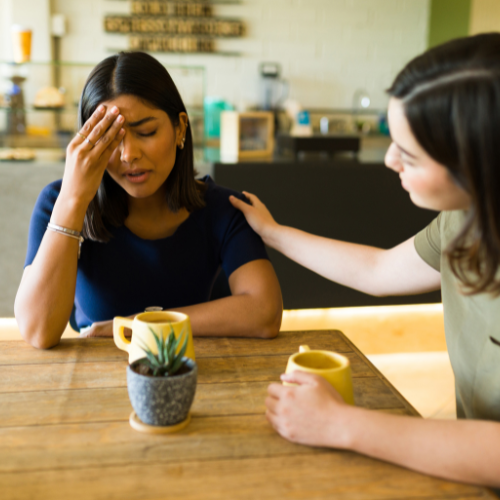
Exploring Attachment & Childhood Trauma
Many love addiction and avoidance patterns trace back to early attachment experiences. Renee helps you understand these roots, not just the behaviors they produce today.
Cognitive Restructuring
Distorted beliefs, like “I’m unlovable without a partner” or “closeness always leads to being hurt,” often drive these patterns. Renee uses cognitive-behavioral techniques to help you identify and challenge these beliefs directly.
Emotional Regulation
Learning to manage anxiety, fear, shame, or loneliness without relying on a relationship (or avoiding one) is central to lasting change. Sessions build practical tools for sitting with difficult emotions.
This isn’t generic relationship advice. It’s a specialized, credential-backed support for patterns that often don’t respond to surface-level fixes. Book your first session today to learn more about Renee’s approach and whether it’s the right fit for you.
What You Might Be Wondering…
What is love addiction?
Love addiction is a dependency pattern where relationships become the primary source of safety, validation, or identity. It often shows up as fear of abandonment, staying in painful relationships, or losing your sense of self within a partnership.
How is love addiction different from love avoidance?
Love addiction involves clinging to closeness, while love avoidance involves pulling away from it. Both patterns are rooted in fear, just expressed in opposite directions, and they often show up in the same person at different times or in response to different relationships.
Do you treat codependency in Houston?
Yes. Codependency, where self-worth becomes tied to caretaking or managing someone else, is closely related to love addiction and is often addressed as part of this work, individually or alongside it.
Is this couples therapy or individual therapy?
This is individual therapy. The focus is on your own patterns, history, and healing, not on working through issues with a partner in session.
You Deserve Relationships That Feel Safe
Whether you find yourself clinging too tightly, pulling away too fast, or caught somewhere in between, these patterns aren’t permanent. With the right support, it’s possible to feel secure in relationships and in yourself without losing who you are in the process.
This work is about you: your history, your patterns, and your own path toward healthier relationships. And with Renee Lederman, LPC, you don’t have to do this alone.
Quick Links
LOCATION
Sessions provided virtually throughout Texas.
Select Number of In-Person Sessions Available: