Why Do I Feel Resentful Toward My Spouse?
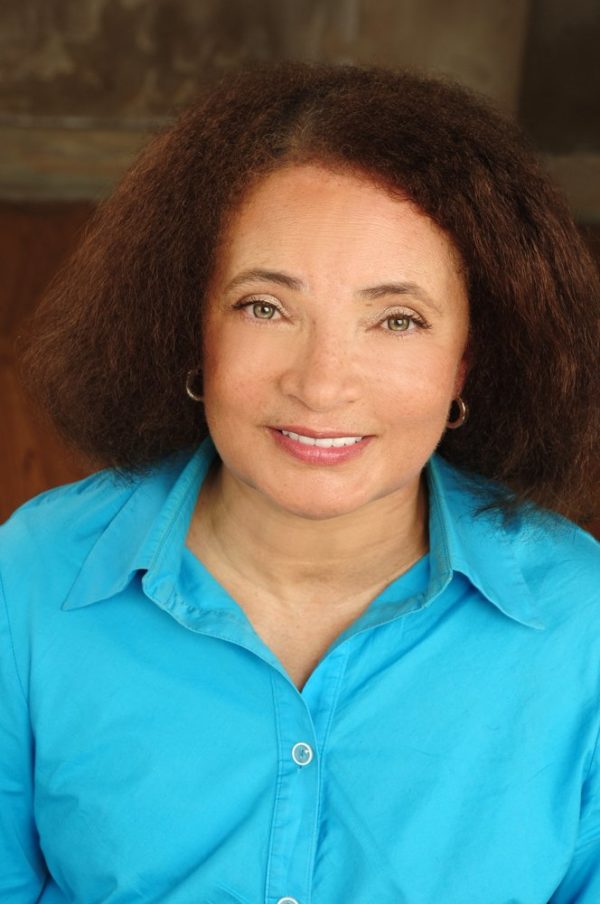
Written by Renee Lederman, LPC
Renee Lederman, LPC is a Houston-based Relationship & Trauma Specialist and the owner & founder of Relational Healing.
Updated: 07/08/26
Resentment toward a spouse often develops when emotional needs go unmet, communication breaks down, or one partner feels unheard, unsupported, or unappreciated. Feeling like “I hate my husband” or “I hate my wife” does not always mean love is gone. These painful thoughts can be signs of deeper hurt, disappointment, loneliness, or unresolved relationship issues that need attention.
Key Takeaways
- Resentment in marriage often develops when emotional needs go unmet or communication becomes unhealthy.
- Feeling like “I hate my husband” or “I hate my wife” may reflect hurt and disconnection rather than a loss of love.
- Resentment can grow when couples avoid difficult conversations or unresolved conflicts.
- Understanding the source of resentment can help couples rebuild trust, emotional safety, and connection.
Table of Contents
- How can I tell if I am feeling resentment or temporary frustration?
- What causes resentment to build up in a marriage?
- Can resentment damage a relationship if it is not addressed?
- How can I talk to my spouse about resentment without starting a fight?
- Is it possible to rebuild a connection after resentment develops?
- FAQ
How can I tell if I am feeling resentment or temporary frustration?
Resentment is a lasting emotional response that develops when hurt, disappointment, or unmet needs continue over time. Temporary frustration usually comes from a specific situation and often improves after the issue is resolved.
Many people who search phrases like “I hate my husband” or “I hate my wife” are not necessarily describing a lack of love. They may be expressing emotional exhaustion, feeling invisible in the relationship, or carrying pain that has not been acknowledged.
Resentment often feels heavier than everyday irritation. You may notice recurring thoughts such as:
- “I always have to handle everything.”
- “My partner does not understand what I need.”
- “My feelings do not seem important.”
These thoughts can create emotional distance between partners. Recognizing whether you are experiencing frustration or resentment can help you address the issue and not repeat it.
What causes resentment to build up in a marriage?
Resentment in marriage often develops when one or both partners feel unheard, unsupported, or emotionally disconnected. Small disappointments can become larger relationship wounds when couples do not address them openly.
Common causes of resentment include:
- Unequal household or emotional responsibilities
- Repeated communication problems
- Feeling unappreciated or taken for granted
- Unresolved conflicts
- Lack of affection, attention, or emotional support
- Feeling like your needs always come second
Sometimes resentment grows because one partner hopes the other person will recognize their needs without being told. When those needs remain unmet, disappointment can turn into anger, withdrawal, or emotional distance.
Relationship distress is more common than many couples realize. A 2025 study published in Frontiers in Psychology noted that up to one-third of married individuals report low marital satisfaction, highlighting how common relationship struggles can be. While dissatisfaction and resentment are not the same, chronic resentment can be a major contributor to declining relationship satisfaction.
Resentment often grows when couples move from working together to working against each other. When partners begin to see each other as opponents, it can become much harder to maintain the sense of connection, trust, and understanding that a healthy relationship needs.
Can resentment damage a relationship if it is not addressed?
Unresolved resentment can damage a relationship by creating emotional distance, negative communication patterns, and a loss of trust. When resentment continues, partners may stop feeling emotionally safe with each other.
Many relationships do not become disconnected overnight. Resentment often builds up through repeated moments when a partner feels dismissed, criticized, or alone.
Over time, resentment can change how partners interpret each other’s actions. A small mistake may feel like another example of being unsupported instead of an isolated event.
Relationship researcher John Gottman found that contempt, which can develop from long-standing resentment and unresolved hurt, is one of the strongest predictors of divorce. Contempt can include sarcasm, mockery, eye-rolling, and acting superior toward a partner.
Resentment does not automatically mean a marriage cannot recover. However, addressing resentment early can prevent unhealthy patterns from becoming deeply established.
How can I talk to my spouse about resentment without starting a fight?
You can talk to your spouse about resentment without starting a fight by choosing the right moment, expressing your feelings clearly, and focusing on understanding rather than blaming. The goal is not to prove who is right. The goal is to help both partners understand what is happening beneath the conflict and find a path forward together.
When resentment has built up, conversations can easily become defensive. Taking a thoughtful approach can help both partners feel safer and more willing to listen.
When talking about resentment with your spouse:
- Choose a calm moment.
Avoid starting the conversation during an argument or when emotions are already high. Pick a time when both of you have the space to listen and respond thoughtfully. - Describe your feelings instead of assigning blame.
Using “I feel” statements can help your spouse understand your experience without feeling attacked. Focus on what you are experiencing and what you need rather than listing everything your partner has done wrong. For example, instead of saying: “You never help me,” try saying: “I feel overwhelmed when I handle most of the responsibilities alone, and I need more support from you.” - Explain what you need to move forward.
Resentment often grows when needs remain unspoken. Be specific about the changes that could help you feel more supported, connected, or understood. - Listen to your partner’s perspective.
Healthy conversations about resentment require curiosity from both partners. Asking questions like, “Can you help me understand how you see this?” or “What has this been like for you?” can help move the conversation away from blame and toward connection.
It also helps to look beneath the words “I hate my husband” or “I hate my wife.” These feelings may be connected to deeper emotions such as loneliness, disappointment, rejection, and emotional distance.
Addressing resentment does not mean ignoring hurt feelings. It means creating an opportunity for both partners to be heard and begin rebuilding trust.
Is it possible to rebuild a connection after resentment develops?
Couples can rebuild connections after resentment develops when both partners are willing to acknowledge the hurt and work toward change. Healing usually requires consistent effort, patience, and new relationship patterns.
Rebuilding trust often begins with small changes, including:
- Communicating more openly
- Spending intentional time together
- Showing appreciation
- Sharing responsibilities more fairly
- Taking accountability for hurtful behaviors
Repair requires both partners to recognize their role in the relationship dynamic. Accountability does not mean assigning blame. It means understanding how each person’s actions affect the partnership.
Many couples benefit from professional support when resentment feels too difficult to resolve. Couples counseling provides a structured environment where partners can learn healthier communication skills and better understand each other.
Therapy can also help couples explore deeper issues behind resentment, including attachment patterns, past experiences, emotional needs, and recurring relationship conflicts.
Seeking support does not mean a relationship has failed. It can be a meaningful step toward creating a stronger and healthier partnership.
FAQ
What are the signs of resentment in a marriage?
Signs of resentment may include frequent irritation, emotional withdrawal, repeated arguments, avoiding affection, and feeling disconnected from your spouse.
Some people also notice they keep score, feel unappreciated, or believe their partner does not understand their needs.
Why do spouses grow resentful of each other over time?
Spouses often become resentful when disappointments continue without resolution. Unspoken needs, unresolved conflicts, and feeling unsupported can slowly create emotional distance.
Resentment usually develops through repeated experiences rather than one single event.
Can a marriage survive long-term resentment?
Marriage can survive resentment when both partners are willing to acknowledge the problem and work toward change. Many couples rebuild closeness when they address the underlying hurt instead of only arguing about symptoms.
Healing requires patience, communication, and a willingness to create new patterns.
How can couples work through resentment and reconnect?
Couples can work through resentment by improving communication, practicing empathy, expressing needs clearly, and rebuilding trust through consistent actions.
Couples counseling can also help partners recognize unhealthy patterns and develop better ways to communicate.
When should we consider couples therapy for resentment in our relationship?
Couples therapy may be helpful when resentment leads to frequent conflict, emotional distance, loss of trust, or conversations that repeatedly end in frustration.
Professional support can help couples identify the deeper issues behind resentment and learn tools to reconnect.
About Relational Healing
Meet Renee
Relational Healing provides compassionate, relationship-focused therapy designed to help clients create healthier connections and lasting change.
Founded by Renee Lederman, LPC, a seasoned Houston therapist specializing in marriage counseling, couples therapy, and addressing love addiction and avoidance issues. With more than 20 years of experience, Renee helps individuals, couples, and families navigate challenges including betrayal, infidelity, trauma, emotional overwhelm, and relationship struggles.
Looking for marriage support?
Reach out and schedule an appointment with Renee today!
CONTACT
(832)-969-3885
LOCATION
Sessions provided virtually throughout Texas.
Select Number of In-Person Sessions Available:
9575 Katy Fwy, #291
Houston, Texas 77024