VIRTUAL THERAPY THROUGHOUT TEXAS
Therapy for Infidelity
therapy for infidelity
How Infidelity Affects Relationships and Mental Health
Infidelity can create betrayal trauma, shaking the very foundation of a relationship and leaving both partners overwhelmed by emotions like anger, grief, shame, or deep insecurity. Whether it’s emotional cheating or a physical affair, the impact often extends beyond the relationship, leading to anxiety, depression, low self-esteem, and difficulty trusting again. Affair recovery is not easy, but with the right support it is possible. Through couples therapy after cheating or therapy for an unfaithful spouse, partners can process the hurt, strengthen communication, and begin the work of trust rebuilding so that healing, clarity, and emotional well-being can be restored.
Can a Relationship Recover After Betrayal?
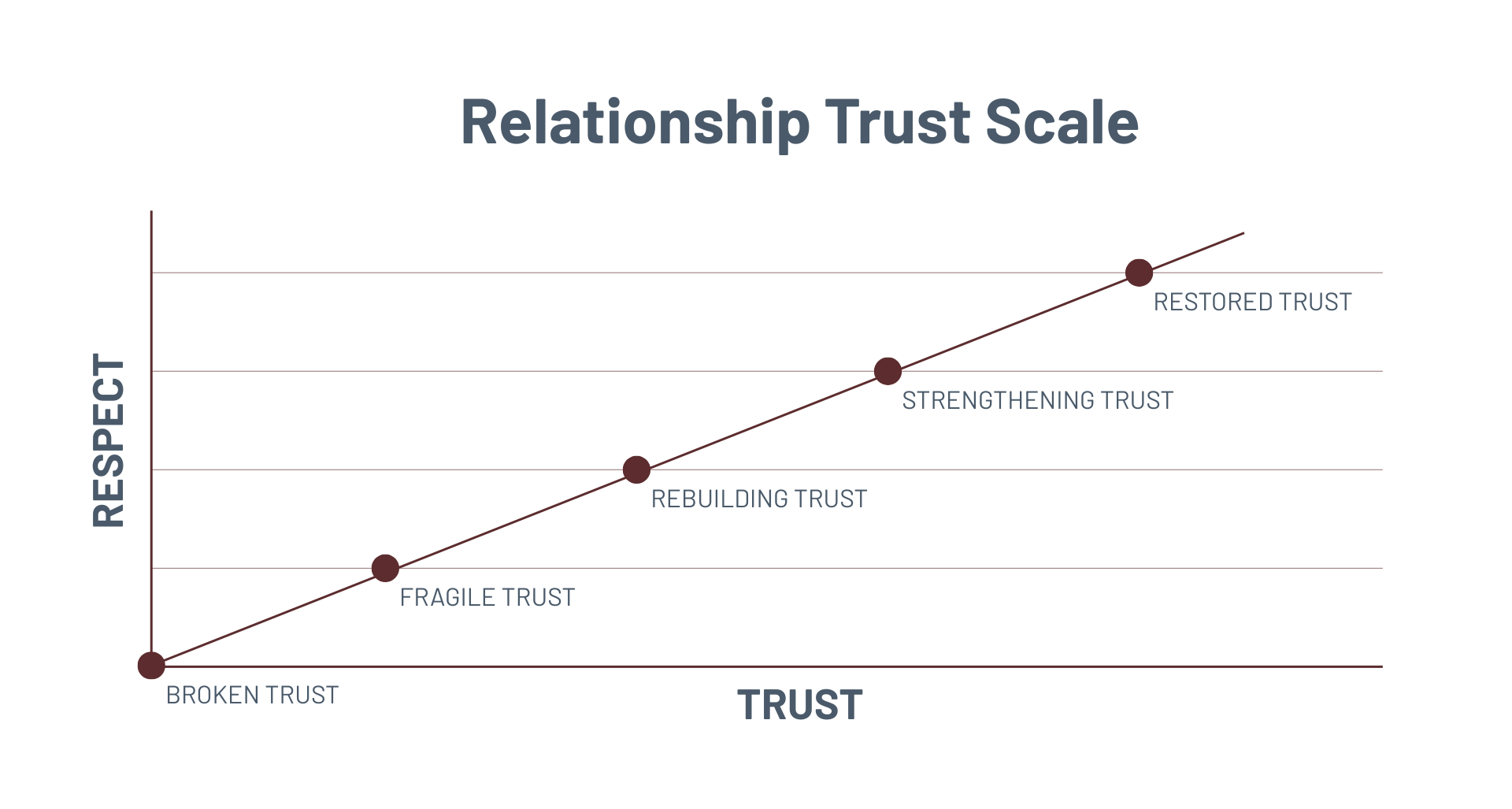
Yes, many relationships can heal after betrayal, but recovery requires honesty, accountability, and a shared commitment to rebuilding trust. The journey isn’t linear, which is why we use a Relationship Trust Scale to help visualize the stages of repair and growth.
Individual vs. Couples Therapy for Infidelity
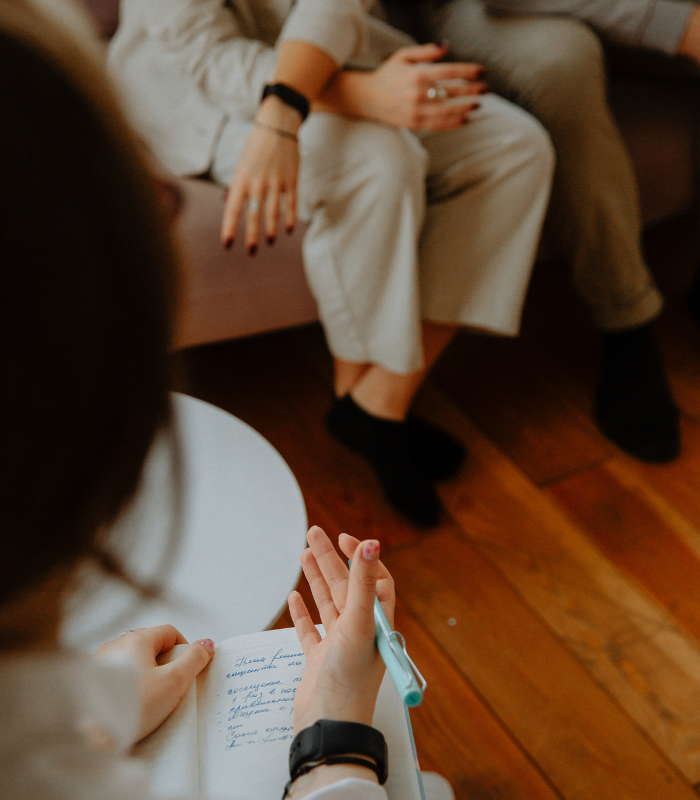
Both individual and couples therapy can play an important role in healing after infidelity. In individual therapy, you have space to process your emotions, rebuild self-worth, and gain clarity about your needs and boundaries. In couples therapy, both partners work together to rebuild trust, improve communication, and decide on the future of the relationship with honesty and support. At Relational Healing, these approaches often complement each other, helping you recover both as an individual and as a couple navigating the impact of betrayal.
THERAPY FOR infidelity
Renee’s Approach
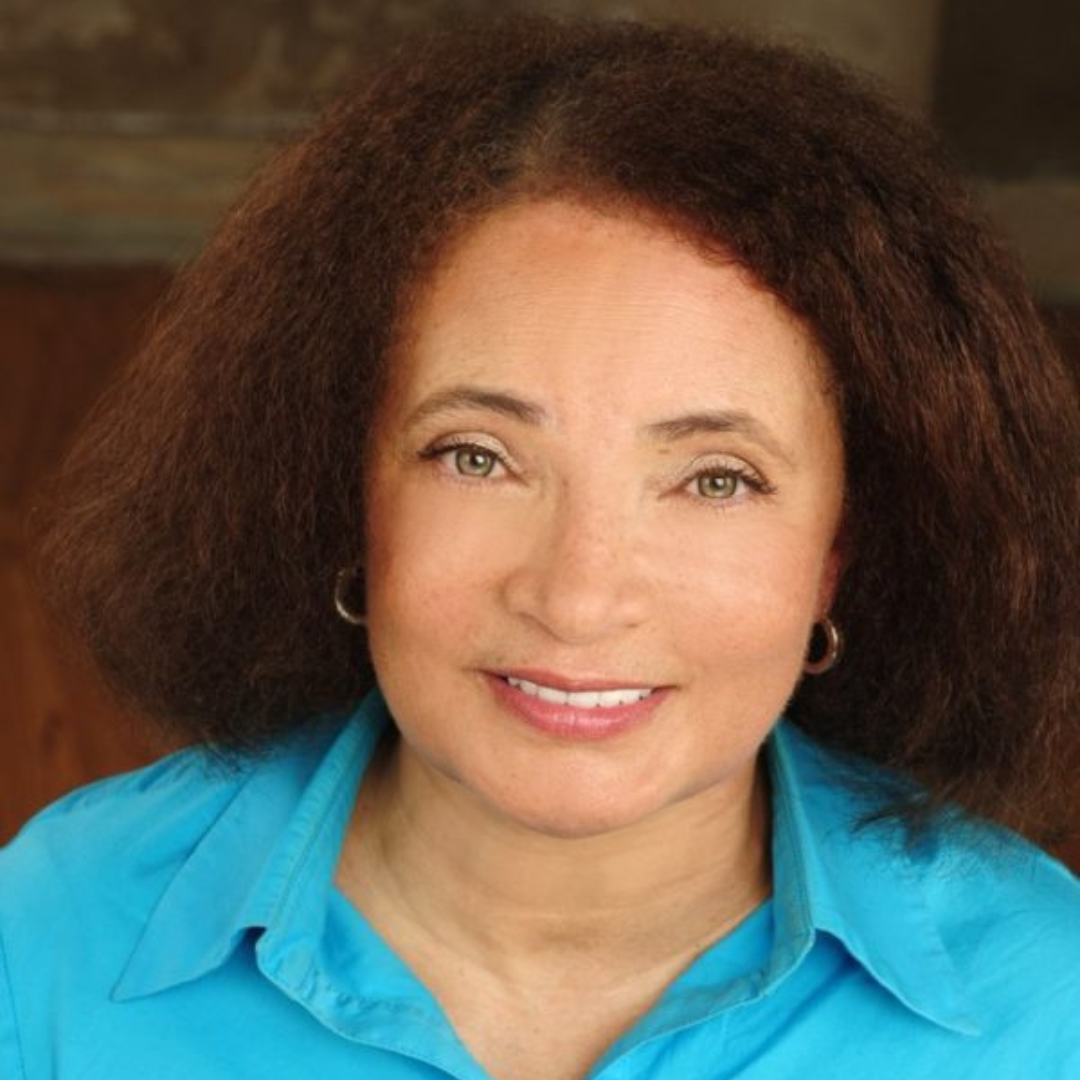
In sessions with Renee Lederman, you can expect a compassionate, trauma-informed approach that supports both partners as they navigate the painful impact of infidelity. Using evidence-based modalities such as Emotionally Focused Therapy (EFT), the Gottman Method, and trauma-informed work, Renee helps couples process feelings of betrayal, rebuild emotional safety, and restore communication. Together, you’ll explore the patterns that led to disconnection, uncover unmet needs, and practice new ways of relating that foster trust and intimacy. This process reduces the cycle of blame and defensiveness while cultivating empathy, accountability, and resilience. Over time, therapy empowers you to rebuild your bond, create stronger boundaries, and move forward with a deeper connection to yourself and your relationship.
Q&A: About Infidelity
How long does it take to recover from infidelity?
There’s no set timeline—healing from betrayal looks different for everyone. Factors such as the length of the relationship, the nature of the betrayal, and each partner’s willingness to engage in the process all play a role. What matters most is that recovery is possible with patience, commitment, and the right support.
Can therapy help us stay together after infidelity?
Yes. While not every couple chooses to stay together, therapy can provide the tools and support you need to honestly explore that possibility. At Relational Healing, we use approaches like Emotionally Focused Therapy (EFT), the Gottman Method, and trauma-informed work to help partners rebuild trust, improve communication, and decide what a healthier future together might look like.
Should I go to therapy alone or with my partner?
Both can be helpful, depending on your needs. Individual therapy gives you space to process emotions, rebuild self-worth, and gain clarity, while couples therapy helps both partners address the betrayal together and work toward repair. At Relational Healing, we recommend and offer a combination of both, ensuring that each person’s healing is supported alongside the relationship.
Healing Starts with Honesty — Therapy for Infidelity Can Help
Quick Links
LOCATION
Sessions provided virtually throughout Texas.
Select Number of In-Person Sessions Available: